Building an Angular app based on MicroFrontend & Microservices Architecture—especially for a Sports Technology Platform
Building an Angular app using MicroFrontend + Microservices boosts scalability, speed, and modular development for any Sports Tech Platform. It enables independent teams, faster updates, and seamless feature growth. #Angular #MicroFrontend #Microservices #SportsTech

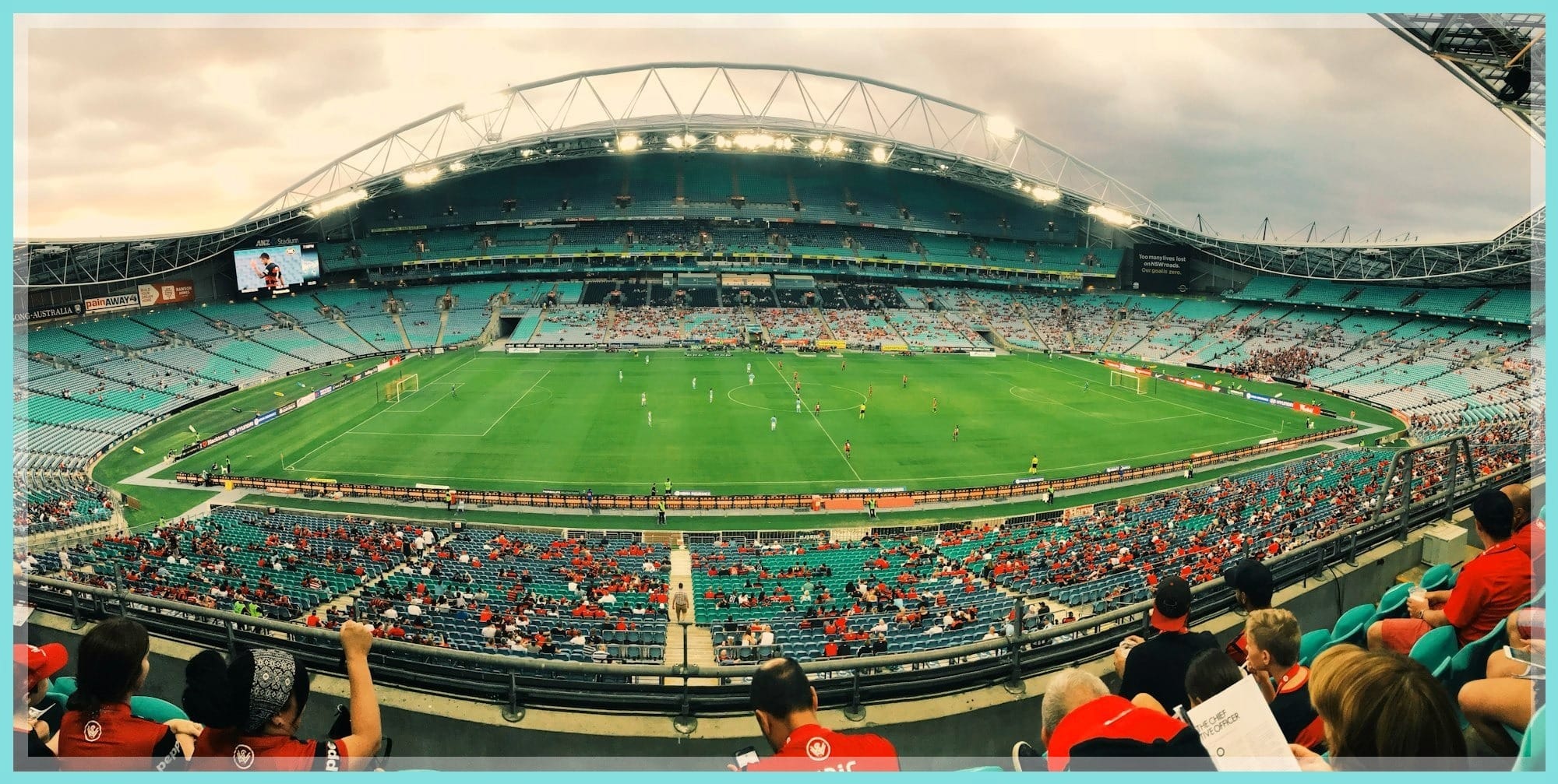
Building an Angular app based on Microservices Architecture—especially for a Sports Technology Platform—requires a well-planned modular and scalable approach.
Let’s break this down step by step using example of a Sports Tech Platform with features like:
- Scoring
- Live Streaming
- Players Management
- Matches Management
1. Define Business Domains → Microservices
First, we split the system into business-driven domains:
| Business Domain | Microservice |
|---|---|
| Player Profiles | player-service |
| Match Scheduling | match-service |
| Live Scores / Stats | score-service |
| Live Streaming | streaming-service |
| Notifications / Alerts | notification-service |
| Authentication & Users | auth-service |
Each microservice has its own database to maintain independence (Database per Service pattern).
2. Angular Frontend → Micro-Frontend Architecture (Recommended)
Instead of one giant Angular app, split the frontend to using Micro-Frontend or Module Federation.
Example Micro-Frontends:
| Module | Feature |
|---|---|
players-app |
Player Management (CRUD, Stats, Profiles) |
matches-app |
Match Schedules, Match Info |
score-app |
Scoring Dashboard, Live Scores |
streaming-app |
Live Streaming View, Controls |
admin-app (optional) |
Admin Controls across modules |
Each of these can be built as a separate Angular App using Webpack Module Federation:
- Each Micro-Frontend app is deployed independently
- Shared libraries/components between apps
- A Shell App (Host App) loads these apps as needed
3. Backend API Gateway (BFF Pattern)
Introduce a Backend for Frontend (BFF) or API Gateway:
- Combines microservice APIs into one unified frontend API
- Handles Auth, Aggregation, Rate Limits, etc.
- Simplifies API calls from frontend
Example:
API Gateway Routes:
- /api/players → Player Service
- /api/matches → Match Service
- /api/scores → Score Service
- /api/stream → Streaming Service
4. Communication Between Microservices (Backend)
- Sync (HTTP/REST/gRPC) → For CRUD & APIs
- Async (Kafka/RabbitMQ/EventBus) → For Live Events (Scoring, Streaming, Notifications)
Example:
- Score Service publishes Live Score Update Event.
- Streaming Service listens for these events to update the live overlay.
5. Authentication Strategy (Key!)
- Auth Microservice: Handles OAuth2 / JWT / Session
- Common Auth APIs for all Microservices
- Frontend uses a shared
auth-libfor token handling & guards.
6. Data Flow Example: Live Match Score Update
- Scorer updates score from Score App.
- Score Microservice updates DB and emits "score-updated" event.
- Streaming Service picks the event and updates live stream overlay.
- Notification Service may notify users watching the match.
- Frontend (Score & Stream apps) auto-refresh score using WebSockets or Server-Sent Events.
7. Deployment Strategy
- Each Microservice in a separate Docker Container.
- Micro-Frontends deployed separately on CDN / Cloud Storage.
- Use Kubernetes for scaling backend & frontend containers.
- CI/CD Pipeline per service/module for independent deployments.
8. Tools & Technologies
| Layer | Tools |
|---|---|
| Frontend | Angular + Module Federation (Webpack 5), Nx Monorepo (optional) |
| Backend | Node.js/Nest.js, Spring Boot, gRPC, REST |
| API Gateway | NGINX, Express Gateway, Kong, or GraphQL BFF |
| Async Messaging | Kafka, RabbitMQ, NATS |
| Auth | OAuth2, Keycloak, Firebase Auth, JWT |
| CI/CD | GitHub Actions, GitLab CI, ArgoCD |
| Infra | Docker, Kubernetes, Helm, Terraform |
| Monitoring | Prometheus, Grafana, Jaeger (for tracing) |
9. Monorepo vs Polyrepo (Frontend)
- Monorepo (Nx, Lerna) → Easier for smaller teams to share code.
- Polyrepo → Full independence & scaling per team, but requires more tooling.
10. Diagram (Simplified Architecture)
           +-----------------------------+
           |     Angular Host App (Shell) |
           +-----------------------------+
              /     |     |      \
             /      |     |       \
            v       v     v        v
 Players App  Matches App Score App Streaming App (Angular Micro-Frontends)

        ↓ API Gateway (BFF Pattern) ↓

 +-------------+   +--------------+   +--------------+   +-----------------+
 | Player Svc  |   | Match Svc    |   | Score Svc    |   | Streaming Svc   |
 +-------------+   +--------------+   +--------------+   +-----------------+
           ↘️    ↙️                 ↘️     ↙️
      Event Bus / Message Queue (Live Events & Notifications)

            +--------------+
            | Auth Service |
            +--------------+
Key Design Considerations:
- Start with Monorepo or Micro-Frontend based on team size & scalability needs.
- Use Async Events for real-time needs (Scoring, Streaming).
- Keep UI loosely coupled from APIs; APIs can evolve independently.
- Always design for graceful degradation (if score or stream is down, others work).
- Central Logging & Monitoring for all services.
Summary:
- Split Angular apps as Micro-Frontends per domain (Players, Matches, Scores, Streaming).
- Backend as Microservices per domain, communicating via APIs & Events.
- API Gateway to simplify Frontend-Backend interaction.
- Strong CI/CD, Monitoring, and Auth foundation.
⚠️ Disclaimer:
The content, architecture, and technical strategies shared in this article are intended solely for educational and informational purposes.
The architecture discussed here is a generalized approach based on publicly known best practices for building scalable Angular applications with a microservices backend, particularly in the context of sports technology platforms.
While I have professional experience in the sports technology domain, this blog post is not derived from or intended to reflect any proprietary, confidential, or internal systems, data, or architecture of my current or previous employers or clients.
All examples, system designs, and technical recommendations are hypothetical and independent, created strictly for learning and discussion purposes based on widely accepted industry practices and publicly available architectural concepts.